
Article: A Complete Guide to Digital Signage
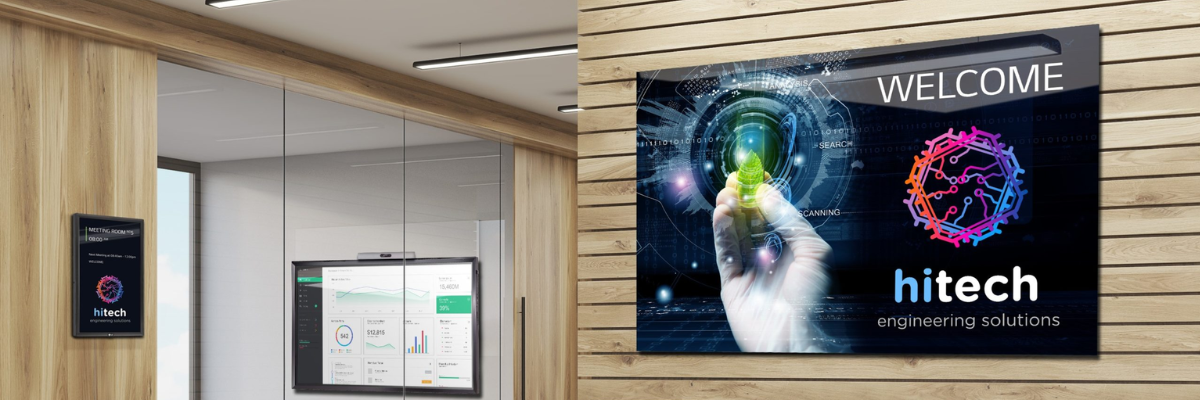
A Complete Guide to Digital Signage
Modern Communication Through Connected Displays
Digital signage has become one of the most effective ways for organisations to communicate with audiences in real time. From schools and universities to corporate offices, healthcare environments, retail spaces, and public venues, digital signage is now a key part of modern AV infrastructure.
At Simply AVS, we design, install, and support digital signage systems that help organisations deliver clear, consistent, and engaging content across single screens or large multi-site networks.
This guide explains what digital signage is, how it works, where it is used, and what to consider when planning a system.
What is Digital Signage?
Digital signage refers to network-connected screens used to display dynamic content such as images, video, announcements, schedules, and real-time information.
A typical system consists of four core elements:
- Display hardware (commercial screens or LED displays)
- Media player (built-in or external device)
- Content management system (CMS)
- Network connection (for remote updates and scheduling)
Unlike traditional printed signage, digital signage can be updated instantly, scheduled in advance, and controlled remotely from a central platform.
How Digital Signage Works
Content is created and uploaded into a CMS, where it can be scheduled and distributed across one or many screens.
This allows organisations to:
- Update messaging instantly across multiple locations
- Schedule content based on time, date, or location
- Display real-time data feeds (news, timetables, dashboards)
- Control everything from a single central platform
The result is a flexible communication system that adapts to changing needs throughout the day.
Key Benefits of Digital Signage
Digital signage is widely used because it delivers measurable operational and communication benefits:
- Improved audience engagement
- Faster and more consistent communication
- Reduced reliance on printed materials
- Real-time information delivery
- Centralised content control across multiple sites
- Enhanced visitor experience and wayfinding
- Better internal communication for staff and students
Where Digital Signage is Used
Education
Schools, colleges, and universities use digital signage for:
- Announcements and safeguarding messages
- Timetables and room information
- Canteen menus
- Event promotion
- Campus wayfinding
It helps improve communication across large, busy sites.
Corporate & Offices
In workplace environments, digital signage supports:
- Internal communications
- Meeting room information
- KPI dashboards and live data
- Visitor welcome screens
- Health and safety messaging
Healthcare
Hospitals and clinics use digital signage to:
- Guide patients through complex sites
- Display waiting times and queue information
- Share health campaigns and updates
- Improve wayfinding and reduce staff pressure
Retail & Hospitality
In customer-facing environments, signage is used for:
- Promotions and advertising
- Digital menu boards
- Branding and customer messaging
- Real-time pricing or availability updates
Public Sector & Venues
Local authorities, museums, libraries, and event spaces use digital signage for:
- Public information and announcements
- Event schedules
- Emergency messaging
- Visitor guidance and navigation
Types of Digital Signage
Indoor Displays
The most common type of signage used in reception areas, corridors, offices, and classrooms.
Outdoor Displays
Weatherproof, high-brightness screens designed for external environments such as building entrances or public spaces.
Video Walls
Large-scale display systems used for impact, command centres, and high-visibility environments.
Interactive Screens
Touch-enabled displays allowing users to engage with content such as directories, maps, or self-service tools.
Wayfinding Systems
Specialist signage designed to help users navigate complex buildings and campuses.
Choosing the Right Digital Signage System
When planning a system, several key factors should be considered:
1. Screen Type & Environment
The environment determines the specification:
- Brightness levels (indoor vs outdoor)
- Screen size and viewing distance
- Durability requirements
- Mounting location
2. Content Management System (CMS)
The CMS is one of the most important decisions.
Look for:
- Ease of use for non-technical staff
- Cloud-based remote access
- Scheduling and automation features
- Ability to scale across multiple screens or sites
- Integration with existing systems
A poor CMS often leads to underused signage systems.
3. Content Strategy
The effectiveness of digital signage depends heavily on content quality.
Best practice includes:
- Clear, simple messaging
- Regular updates
- Location-relevant information
- Mixed content types (text, video, data)
- Avoiding cluttered or overloaded screens
Good content drives engagement more than hardware alone.
4. Installation & Infrastructure
Professional installation ensures systems perform reliably.
This includes:
- Correct screen positioning and mounting
- Network configuration
- Power and cable management
- System testing and commissioning
5. Scalability
Consider future growth:
- Can the system support additional screens?
- Can it expand across multiple sites?
- Is the CMS licence scalable?
Common Mistakes to Avoid
- Using consumer TVs instead of commercial displays
- Choosing overly complex CMS platforms
- Poorly designed or inconsistent content
- Lack of long-term content planning
- No clear ownership of system management
The Importance of Content
While hardware is important, content is what makes digital signage effective.
A well-designed system with simple, relevant messaging will always outperform a high-end display with poor content.
Why Work with Simply AVS?
At Simply AVS, we deliver complete digital signage solutions, including:
- Consultation and system design
- Hardware specification and supply
- CMS selection and integration
- Professional installation
- Staff training and ongoing support
We work across education, corporate, healthcare, public sector, and commercial environments to deliver systems that are easy to use, reliable, and scalable.
Final Thoughts
Digital signage is now a core part of modern communication strategy. When designed correctly, it improves engagement, reduces operational workload, and ensures information is delivered clearly and consistently.
The key to success is choosing the right combination of hardware, software, and content strategy — all aligned to your environment and users.
At Simply AVS, we help organisations build digital signage systems that are practical, scalable, and built for long-term use.
If you're planning a digital signage project, contact Simply AVS to discuss the right solution for your organisation.